
If you are a seasoned ultrarunner, you may already be aware that, depending on the terrain, distance, and weather, you may be required to carry certain aspects of kit.
However, there are races where you may be required to carry a ‘cold weather kit’ on top of your kit, especially if you are racing throughout the winter season and early spring.
This can be paramount to the success of your race and sometimes decide whether you are even allowed to stand on the start line. A recommended solution is a layering system, which involves wearing two or three layers of technical running clothing to trap pockets of heat and insulate your body.
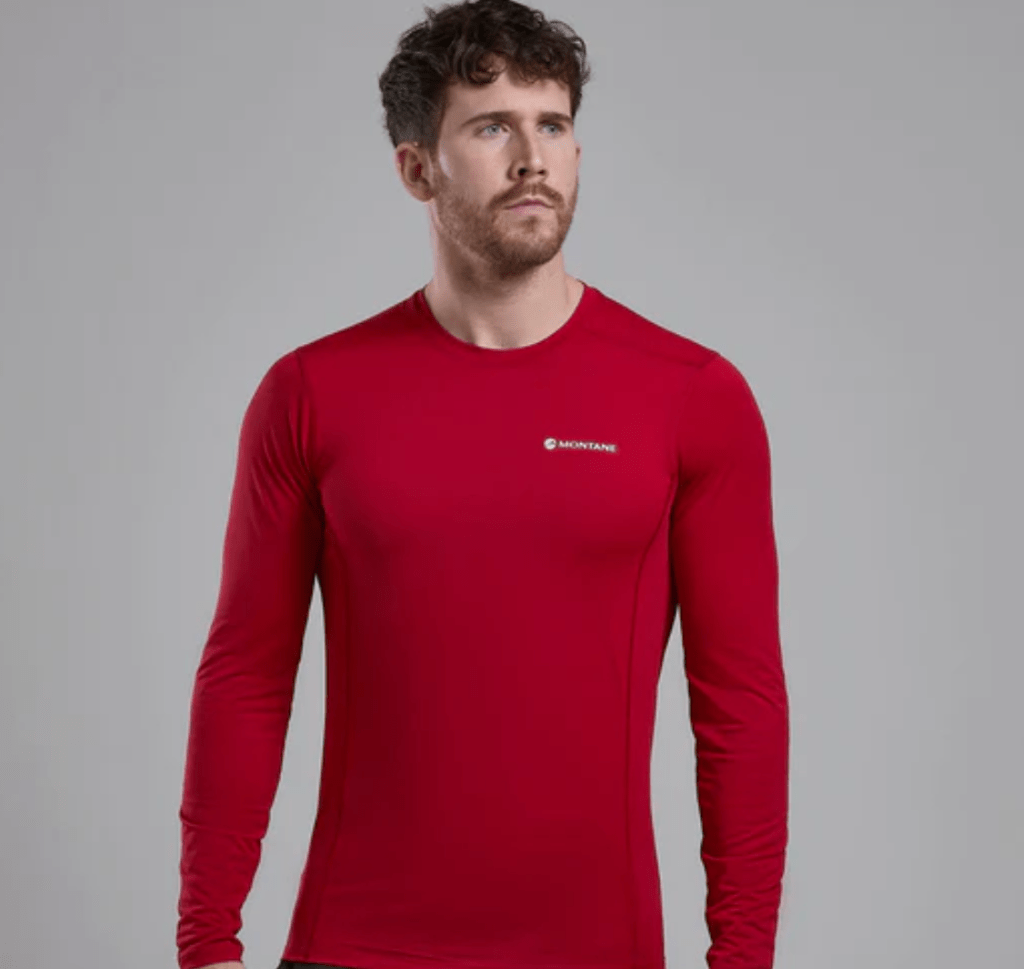
Base Layer
A base layer is usually the first and most important layer, especially when racing in colder temperatures. An effective base layer is your next-to-skin layer, wicking away sweat while keeping you warm and comfortable.
Your base layer should be warm, lightweight, and soft, made of moisture-wicking fabric. This not only prevents discomfort but also helps you avoid hypothermia. Many athletes also choose to tuck their base layer into their running tights or pants to further keep in warmth.
Insulated Layer
Your insulated layer is a long-sleeved or quarter-zip top that you layer onto your base layer, trapping another air pocket. This should also be made of technical synthetic material that draws moisture away from your body.
Fabrics like cotton hold onto moisture, which is not good because it can rapidly cool the body and lead to hypothermia.
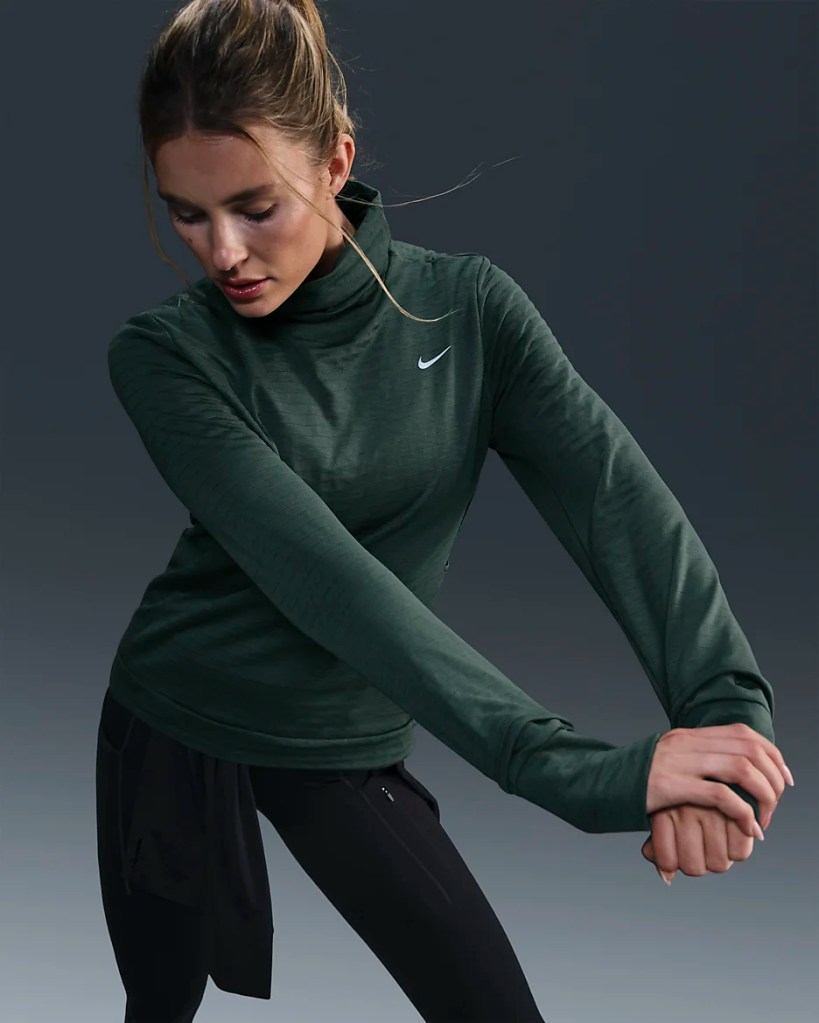
Depending on the temperature, you may also wear winter-weight or compression tights with brushed lining and wind protection.
You may see discourse online that suggests you are ‘weak’ for layering or wearing more than just a T-shirt for your races; however, providing yourself with extra layers on your body and in your pack could be crucial if you end up in an emergency or there is a significant weather change.
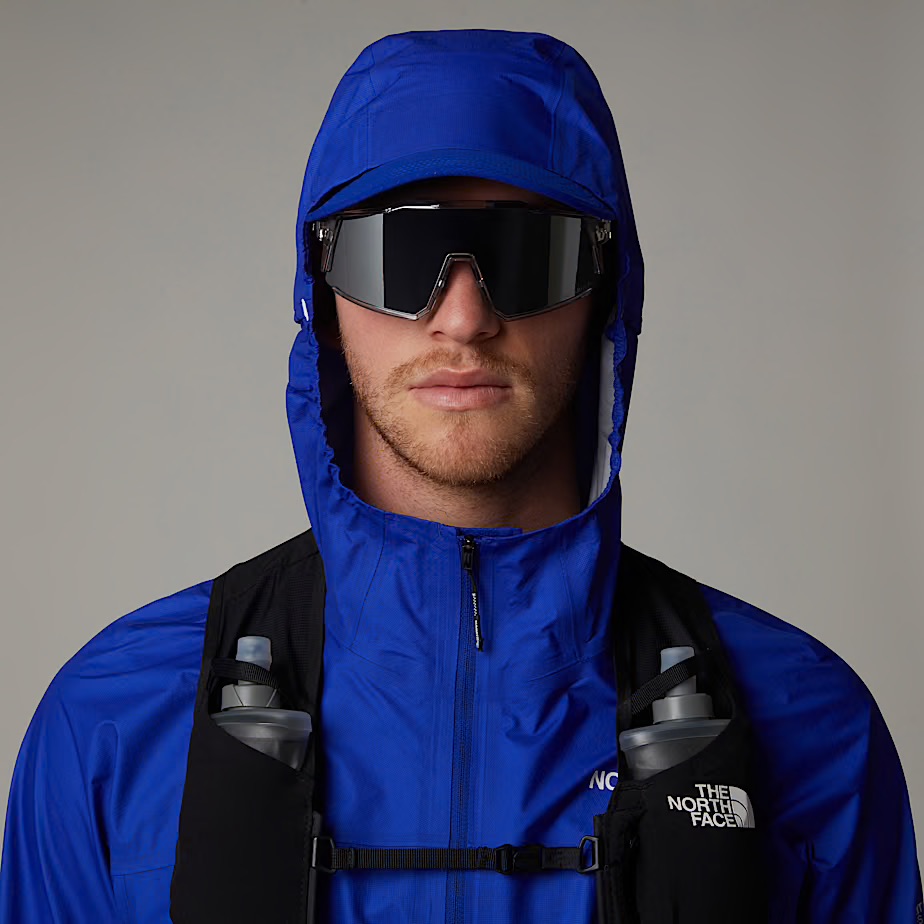
Waterproof Layer
Adequate waterproof layers, also known as your outer shell, should block out rain and wind while wicking away moisture, keeping you dry and comfortable.
Waterproof trousers are usually required as part of your essential gear, and some runners buy a cheaper option to tick a box for kit check. However, investing in decent technical clothing will make it more effective if you ever need to use it.
 EverUltra
Leave a comment