Ultrarunning is the sport of running or racing a distance longer than the traditional marathon (26.2 miles or 42.195 kilometres). It gained significant popularity in the mid-20th century and is often viewed as a modern phenomenon; however, its roots can be traced back further.
Early Beginnings
Long-distance running has been a part of ancient cultures for centuries. It is a form of physical training and a vital means of communication, competition, and spiritual practice.
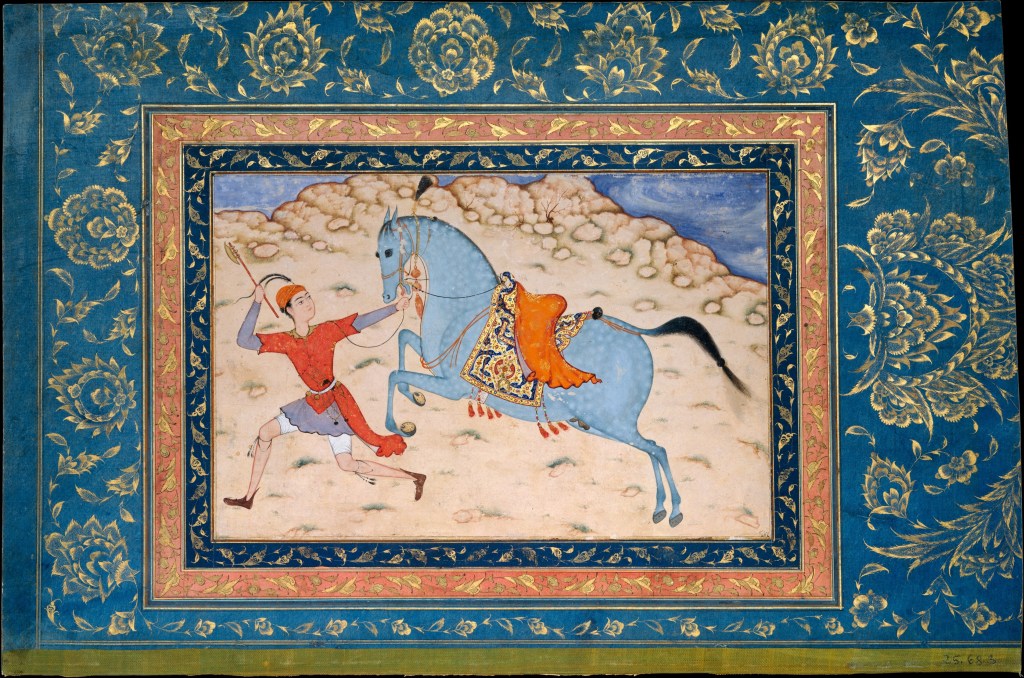
Messengers, often known as runners, carried vital information over long distances. Notably, in the Persian Empire, an organised system of mounted (on a horse) and foot couriers was known as the Angarium. These couriers covered vast distances, ensuring messages were delivered efficiently.
The Incan Empire had a similar system; the Chasquis carried messages, food, and quipus (knotted strings used for record-keeping) across the empire, which spanned over 2,500 miles along the Western coast of South America.
A famous example is the marathon: the story of the soldier Pheidippides, who ran from the battlefield of Marathon to Athens to deliver the news of victory (a distance of about 26 miles). This event became the basis for the modern marathon race.
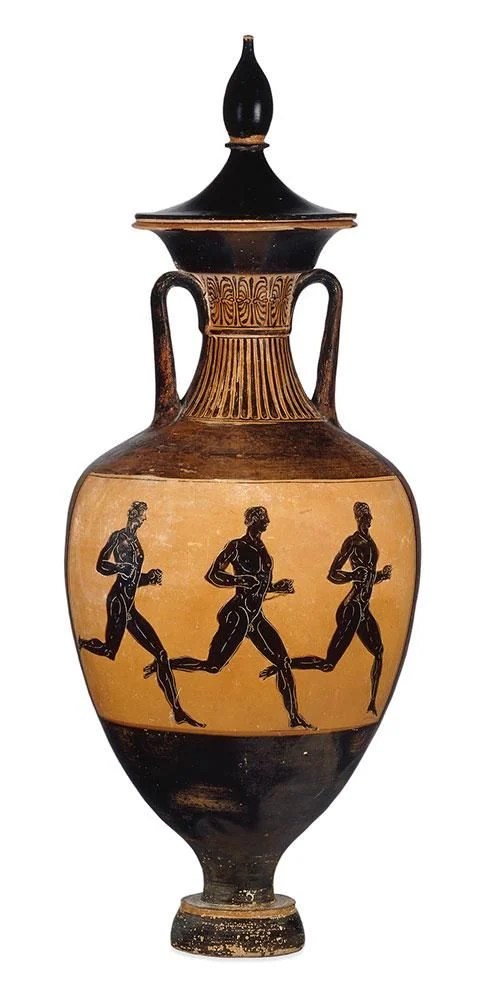
However, running had spiritual or religious connotations in some cultures, often symbolising endurance, purity, and devotion. The Olympic Games were held in honour of Zeus. However, the athletes who competed in the long-distance events were considered physically adept and spiritually favoured. Spartan warriors were known for their rigorous training, which included long-distance running to develop the physical fitness necessary for warfare.
Tribes such as the Tarahumara (or Rarámuri) in Mexico are famous for their long-distance running abilities. The Tarahumara have been running long distances for centuries as part of their daily life, both for hunting and religious purposes. Among some African tribes, running was an integral part of the coming-of-age ceremonies.
Pedestrianism in the 1800’s
In the 19th century, before the modern structures of competitive marathon and ultrarunning races existed, “pedestrianism” (a term used at the time to describe competitive walking and running) emerged as one of the most popular spectator sports in Britain and the United States.
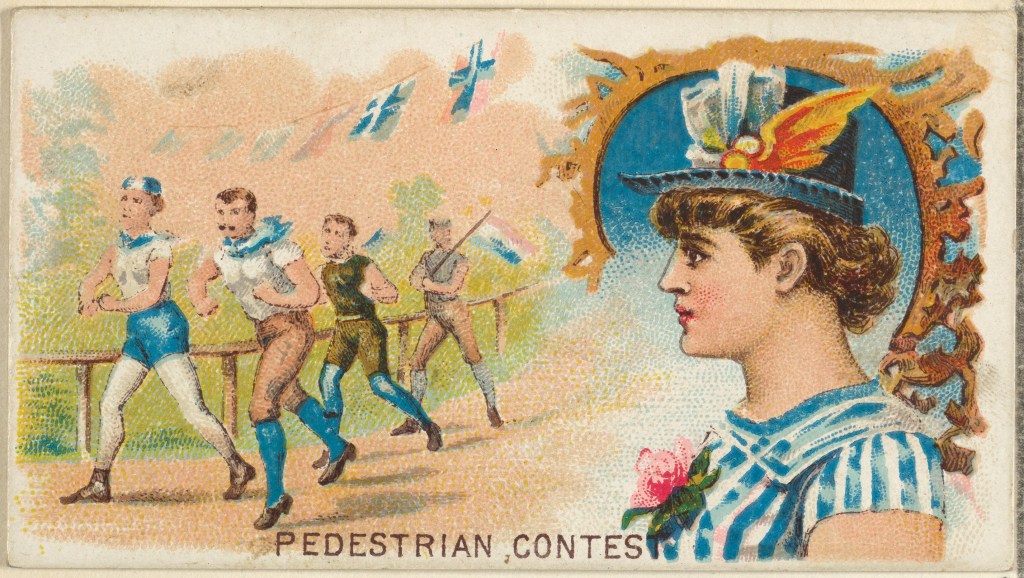
Pedestrianism as a competitive sport dates back to the late 18th century, but it reached its peak popularity in the early to mid-19th century. The term “pedestrian” referred to people who walked or ran long distances for sport, and by the Victorian era, it had evolved into a well-organized, often highly publicised event.
The 24-hour race format emerged as a defining feature of pedestrianism during the Victorian period. These events, where participants were challenged to cover as much distance as possible within 24 hours, became a spectacle that attracted large crowds.
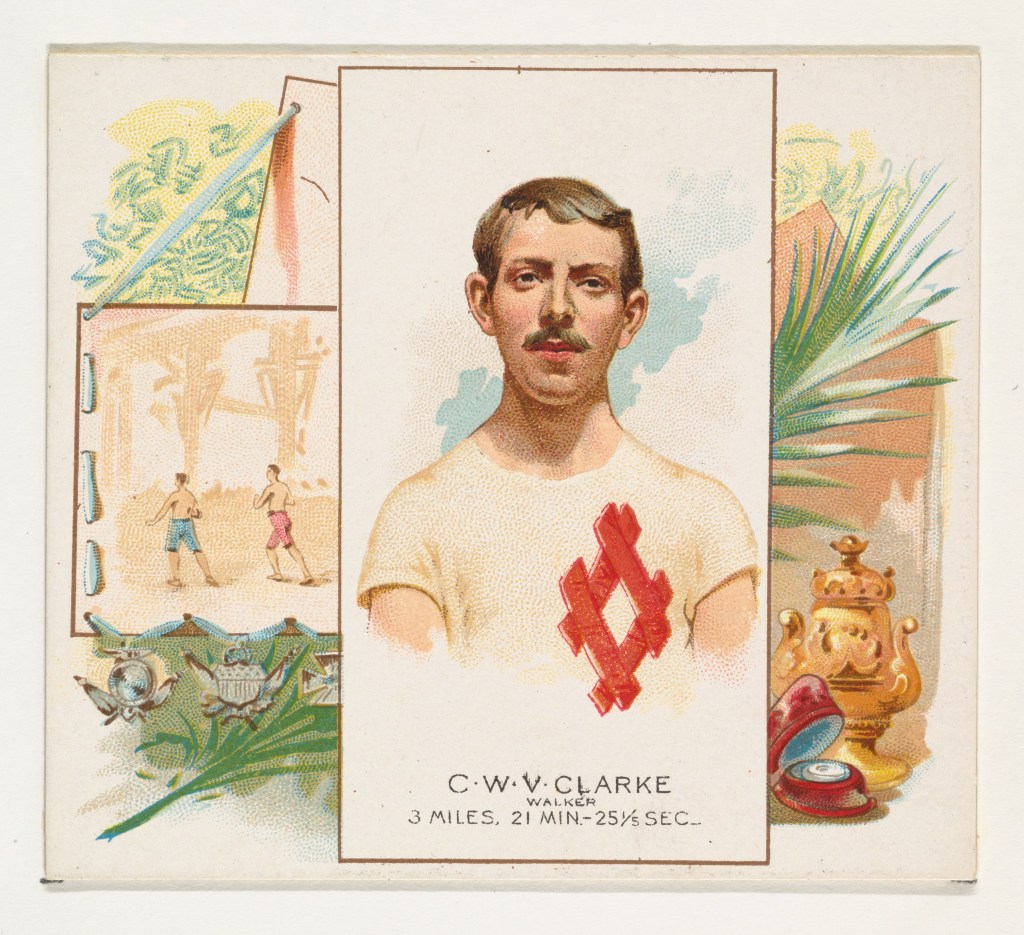
In the Victorian era, pedestrianism was one of the most popular forms of public entertainment, comparable to boxing or horse racing. Events were often held in purpose-built arenas or pavilions in city centres, sometimes with seating for thousands of spectators. Like many early sports, pedestrianism was closely tied to gambling. Spectators often bet on who would win, how far participants would run, or who could complete the longest distance in a given time.
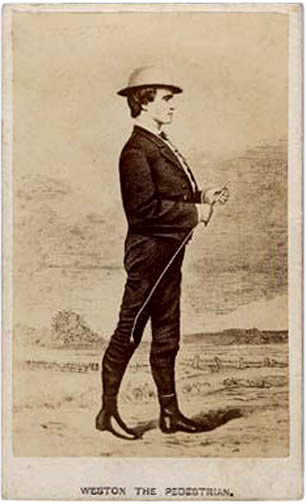
Some famous examples from this period include Edward Weston, one of the most well-known pedestrian champions of the time, who attracted massive crowds when he ran 500 miles in 6 days (an example of the multi-day “ultrarunning” challenges that were beginning to emerge). Weston was so popular that he became something of a celebrity, and his races were significant cultural events.
Taking Shape: The Mid-20th Century
Ultrarunning truly began to develop as a distinct sport in the 1950s and 1960s. One key moment was in 1952 when the Western States Endurance Run started as a horseback race and transformed into a running event in the 1970s.
Some of the first notable organised ultrarunning events were the London to Brighton Run (first held in 1951, covering 54 miles). The sport’s early enthusiasts were often inspired by the challenge of ultra-distance races and the ability to run across challenging terrain.
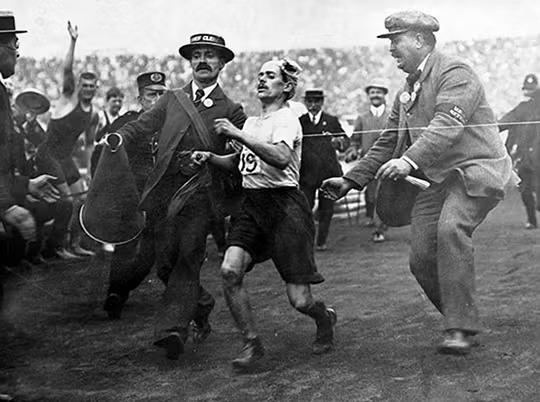
Specifically in the UK, fell running in the Lake District is rooted in the practices of hill farmers, shepherds, and rural communities who had to navigate and traverse the challenging hills and mountains in their daily work. In this context, running was a natural skill for those living there.
The competitive side of fell running began informally. Early races were often spontaneous events in local communities, where villagers would race from one point to another, frequently covering steep climbs and descending rugged terrain.
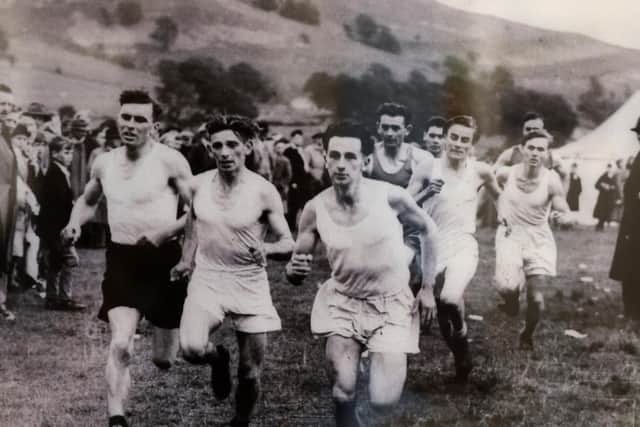
The role of the Bob Graham Round is also worth noting, as its first completion by its namesake inspired others to challenge their own physical limits on the Lake District Fells. The Bob Graham Round is one of the most iconic challenges in British fell running and ultrarunning. This endurance challenge involves summiting 42 peaks (a total of around 66 miles) in the Lake District with 27,000 feet of ascent. Bob Graham first completed it in 1932.
The Rise of the Modern Ultra
The 1970s were a critical period for the rise of ultrarunning. The growth of the marathon boom in the United States, which saw participation skyrocket, indirectly helped ultrarunning’s rise. As more people ran marathons, some sought greater challenges to push their limits.
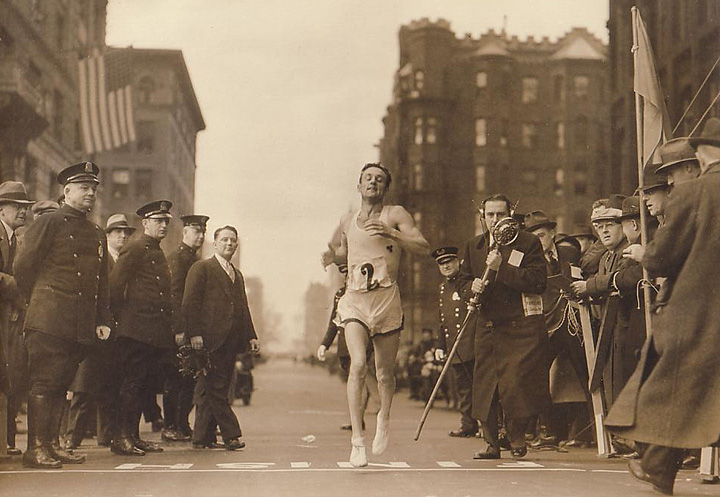
The marathon boom of the 1970s and 1980s was a transformative period in the history of long-distance running. It marked the shift of the marathon from a niche activity to a mainstream phenomenon. During this time, marathon races exploded in popularity in terms of participation and media attention. The marathon boom was part of a broader ‘running boom’ in the United States and many parts of the Western world, which was influenced by books like Jogging by Bill Bowerman (co-founder of Nike).
In 1980, Ann Trason helped raise the profile of ultrarunning by performing groundbreaking 100-mile events and breaking course records. By the 1980s, The Western States Endurance Run and other famous races had secured a reputation. Ultramarathon Books and documentaries about ultrarunners began to emerge, spreading awareness about the sport beyond niche endurance communities.
Driven by several social, technological, and cultural factors, the ultramarathon began to experience its own ‘boom’ in the late 1990s. The emergence of trail running as a subculture alongside the popularity of marathons saw more races being offered to the mainstream. The International Association of Ultrarunners (IAU) was founded in 1984, providing an international governing body to standardise distances and classifications. As more countries embraced ultramarathon events, the sport began to reach a global audience.
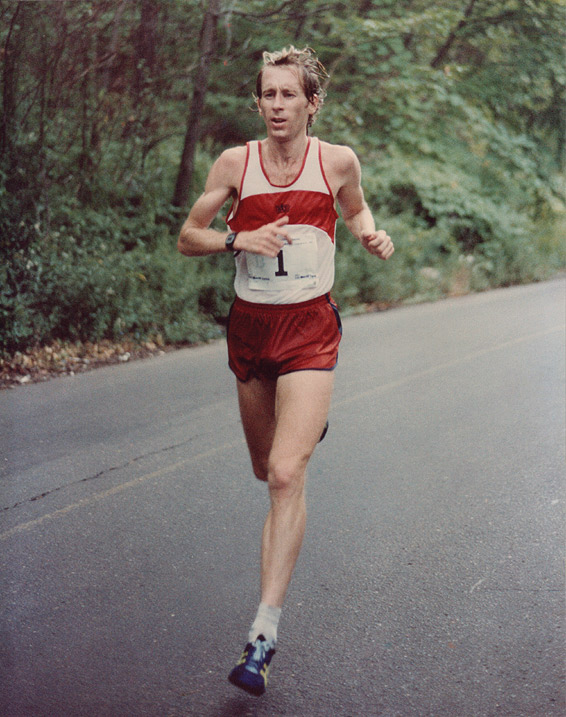
The idea of running off-road, away from the city’s noise and into nature, resonated with growing segments of the population, particularly those seeking to escape the urban hustle and embrace outdoor adventure.
The number of ultra-distance races has increased dramatically, particularly over the past two decades. Events like the Ultra-Trail du Mont-Blanc (UTMB),Lakeland100 and the Spartan Trail Series have become global staples, attracting thousands of runners worldwide. New races have cropped up in nearly every corner of the globe, often in stunning and remote locations, from Namibia’s deserts to Costa Rica’s rainforests.
Ultras and the 21st Century
With the rise of social media platforms in the 2000s and 2010s, ultrarunning saw a massive increase in interest and accessibility. Stories of extreme endurance and growing online communities helped spread the sport to wider audiences.
Athletes like Scott Jurek, Jasmin Paris, Dean Karnazes, Killian Jornet, and Courtney Dauwalter all contributed to bringing the sport to the mainstream by achieving legendary feats of endurance and winning some of the most challenging races.
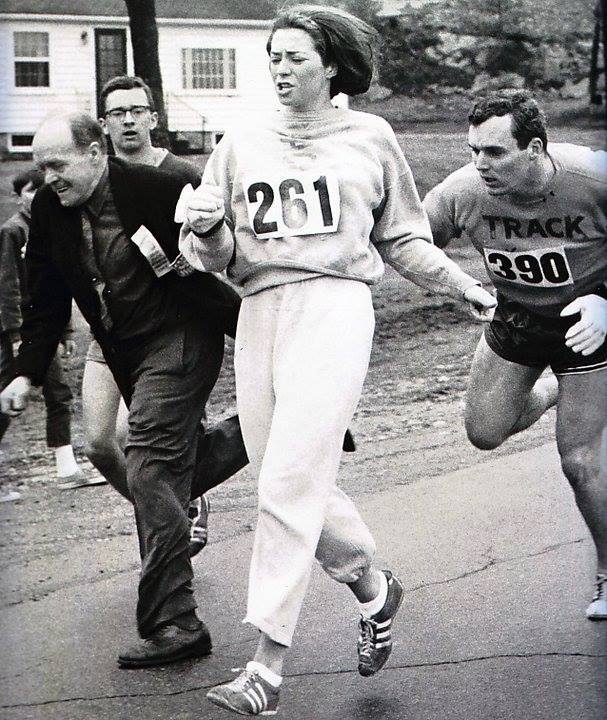
Courtney Dauwalter, Jasmin Paris, Nicky Spinks, Sophie Power, Sabrina Varjee, and many others have also pushed the boundaries for women in the sport, winning races outright or completing exceptional course records for challenges.
The relationship between endurance and the human spirit is deeply intertwined. Both are expressions of our capacity to confront adversity, transcend limits, and evolve through challenge. This connection is one of the most compelling aspects of human experience, particularly in endurance sports, where physical endurance often becomes a metaphor for the mental and emotional resilience that defines the human spirit.
 EverUltra
Leave a comment