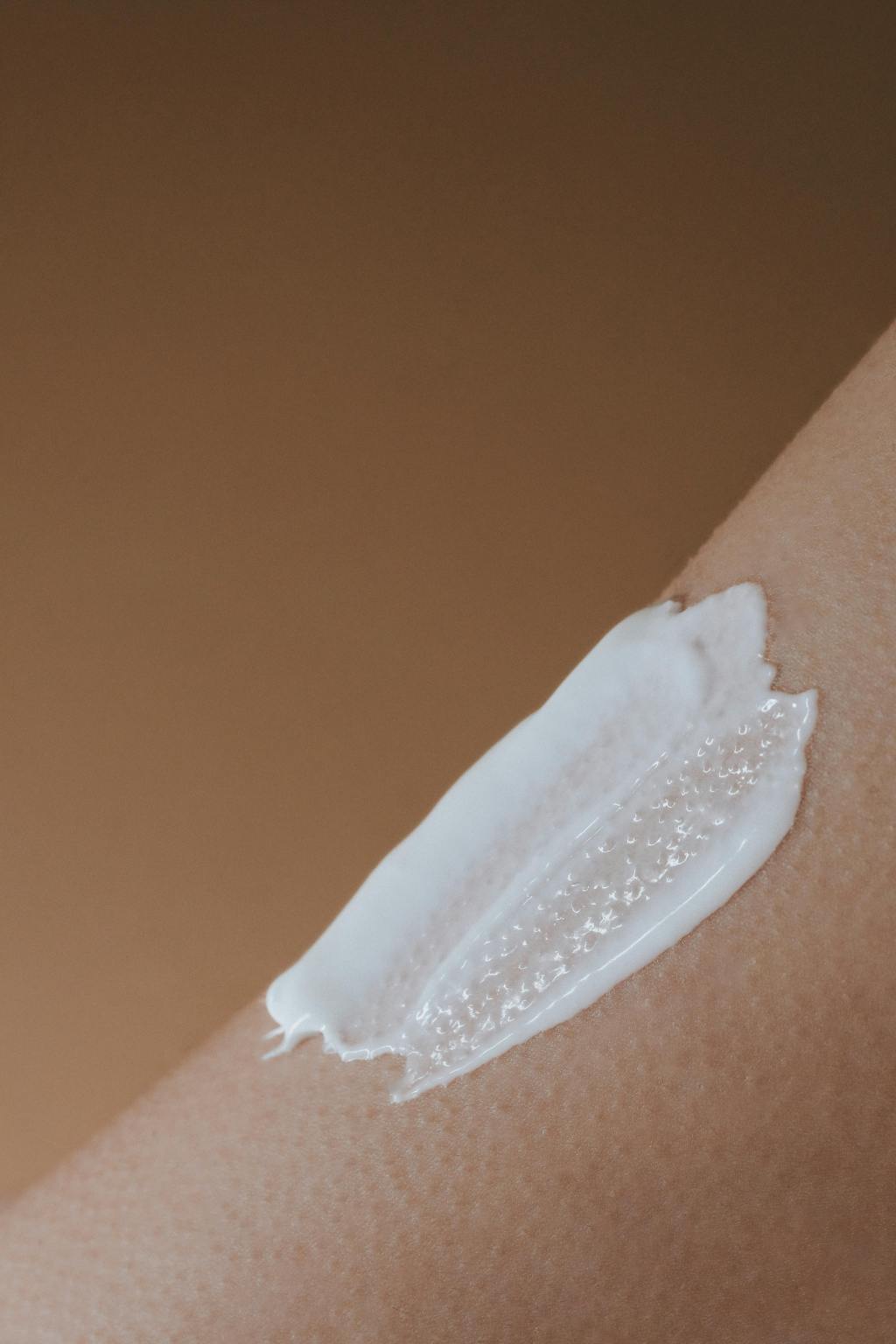
Chafe: (concerning a part of the body) makes or becomes sore by rubbing against something.
Preventing chafing during an ultramarathon is crucial for comfort and performance, as this can be a common issue when running long distances.
Chafing is a common issue in ultrarunning and long-distance racing. Preventing chafing or treating it accordingly can be crucial for comfort and performance, leading to better athletic achievement and race-day execution. Here is a comprehensive approach to preventing chafing in your next ultramarathon.
Mind the Hot Spots
First, you need to identify your common problem areas, also called ‘hot spots,’ which are areas where you are more likely to chafe. While this can be a personal issue, there are general areas where you can find chafing during long-distance running.
The most common areas for chafing include:
- Underarms
- Nipples
- Inner Thighs
- Groin
- Back of the knees
- Spine
- Sports Bra Line
You may not feel your chafing until you finish your training runs and step into the shower, or you may feel a heated or burning sensation. It is important to highlight your common areas and how best to tackle them efficiently come race day.
Wear the Right Gear
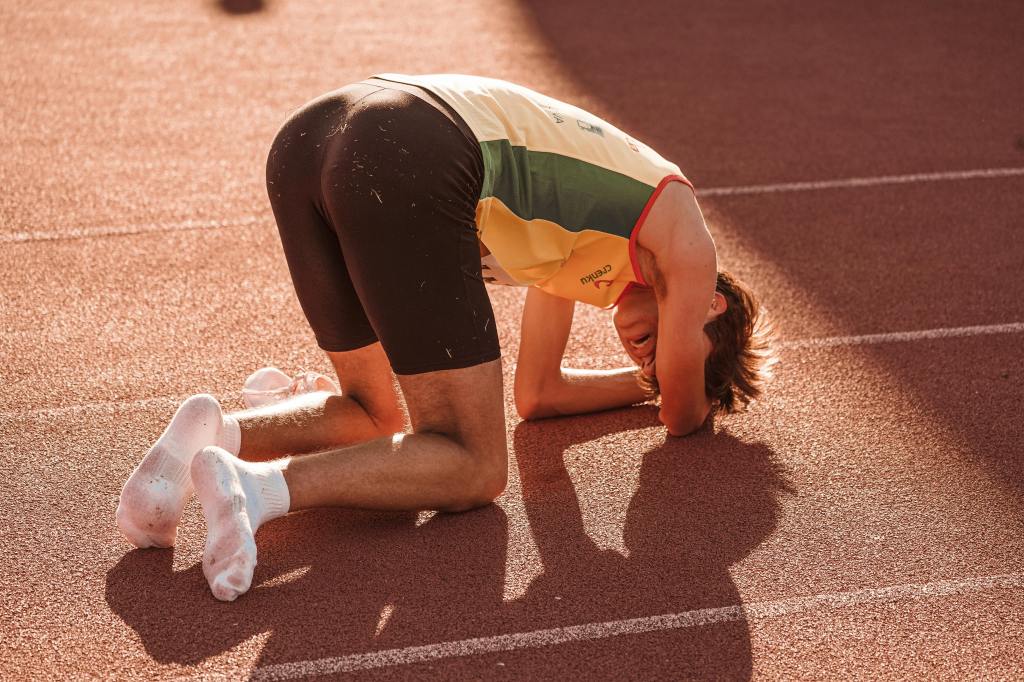
A good place to begin with prevention is to have the correct gear during training runs and race day. Moisture-wicking clothing is imperative, as synthetic fabrics wick moisture away from the skin, keeping you dry and reducing the chance of friction. Polyester and nylon are popular synthetic materials for athletic wear.
Another factor to consider is seamless or flat-seamed clothing, which reduces friction against your skin and keeps you comfortable. It’s also good to consider the average temperature of your race, as excessive sweating will make your clothing work less efficiently, keeping you damp and heightening your chance of chafing.
A way to tackle this is compression garments, which tend to be seamless and reduce the friction of your clothing rubbing against your skin. This can also be attributed to socks and shoes; the wrong size of each can lead to chafing and, eventually, blisters, which can be detrimental to your race. Opt for moisture-wicking socks and avoid cotton socks as they absorb the moisture and keep your feet wet.
Lubrication
In the modern age, you can find a myriad of anti-chafing creams and lubricants to use while running. This can range from high-tech creams to classic vaseline. However, their function is the same: to create a barrier on your skin to reduce friction.
Some athletes also use kinesiology tape (KT) to form a physical barrier in areas they know are more likely to sweat or rub like their back or bra line. Swimmer’s tape is often used as it’s more waterproof and less likely to peel off during your race.
Some popular brands include:
Hydration
This step could be considered ‘easy’ as hydration is an important aspect of ultrarunning. However, dehydration can be a dangerous factor when running, as it can lead to an increased heart rate and impaired body heat regulation. Mild symptoms include dizziness and muscle cramps.
However, regarding chafing, dehydration can lead to salt accumulation, increasing friction and irritation. Sweating heavily can lead to a buildup of salt on your skin, leading to chafing. Wiping these areas and routinely reapplying lubrication can help prevent chafing.
Pre and Post-Race Care
Taking care of your chafing relies on you being autonomous and preemptive with your skin. Identifying your hot spots and treating them early can help you down the road, rather than ignoring them until they become too difficult to treat.
You may have existing chafing from your training on race day, so keeping the area clean and moisturised can help alleviate pain and speed up the healing process. Nevertheless, issues like this can pop up unexpectedly and it is best to be prepared than to finish your race and have sores on your body.
 EverUltra
Leave a comment