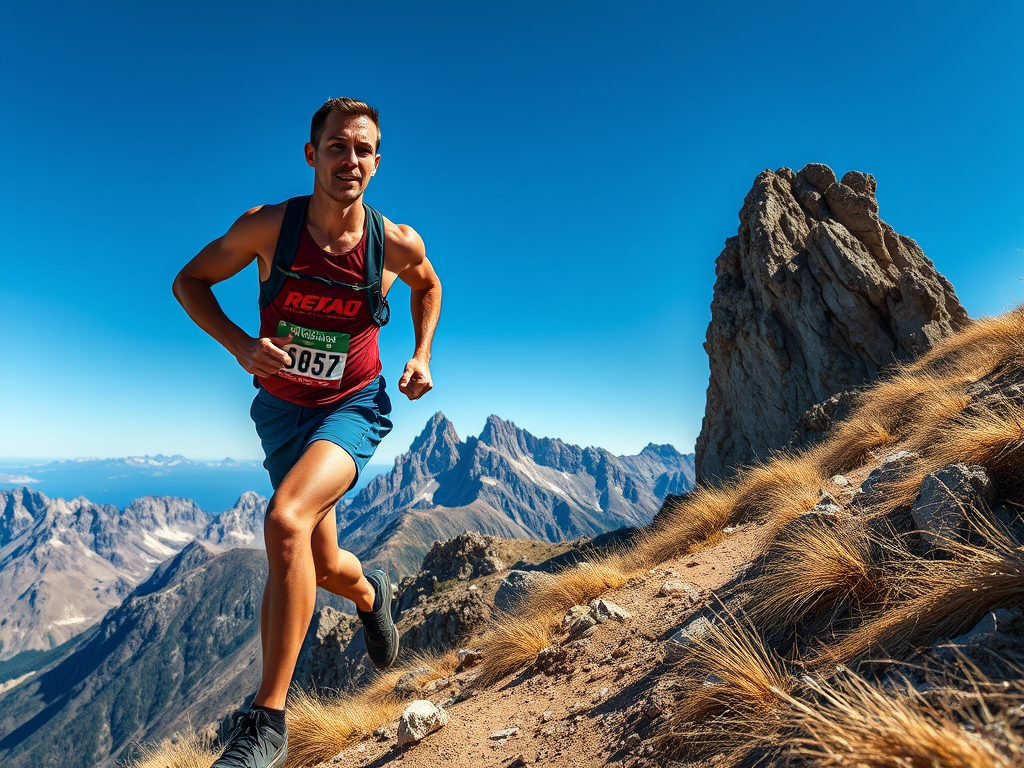
The elite class seems unstoppable, with a continuing push for faster times over greater distances. Every race invites a new course record, and a challenge can be completed and smashed out of the water several times a year. We have seen the elite class or front runners turn up at our races and complete their races in half the time we do—but how is this possible?
Stand Out Athletes
Karel Saab – Pacific Crest Trail (2016 & 2023), Appalachian Trail (2018), Barkley Marathons (2023)
Sandra Brown – 100km FKT, 100mile FKT and 12hr FKT (IAU Records)
Jack Scott – Montane Winter Spine Race (2024)
Jasmin Paris – Montane Winter Spine Race (2019), Barkley Marathons, Munroe’s Challenge
Katie Schide – UTMB (2024) Women’s Record
Jim Walmsley – Western States Multiple Record Holder
John Kelly – Wainrights World Record, Barkley Marathons Multiple finisher, Pennine Way (2020)
Better Nutrition
Nutrition in sports has significantly increased, with more high-quality products available on the market. In addition, athletes’ understanding of nutrition has improved.
At one point, nutrition was a misunderstood facet of racing, with only the elite class able to access information on the subject; however, now, with the power of the internet, everyone can access it. This, in turn, has allowed racers to fuel themselves for races better and plan accordingly, with many elites having a significant focus on their nutrition.
Carbs are an ultrarunner’s best friend. However, high-impact gels are now available, which means more efficient fueling. Consuming less than 200 calories (1x30g carb gel) per hour is almost a surefire way to DNF, with studies suggesting the best amount is around 80-120g of carbs per hour.
This knowledge, alongside high-carb drinks, gels and food available, means all runners are progressing faster and at their full potential.
Better Kit
With running and, in turn, ultrarunning becoming increasingly popular, the number of running kits available has multiplied. Hundreds of brands offer high-quality running kits.
Kit, from packs to waterproofs and jackets, have all gotten lighter, with ultra-light options available. This lightness helps athletes move quicker through races with the sweat-wicking materials, allowing for better comfort, meaning injuries like rashes and blisters can be almost nonexistent.
Shoes are another factor in this equation, with trail shoes by brands like Nike, Inov-8, and Salomon advancing technology. This plays a massive part in athletes pushing themselves if they have faith in their kit to support them through the miles.
More Runners = More Elites
We are in an ultrarunning boom worldwide, with many athletes moving from average trail running and marathon running into the ultrarunning sphere. With this rise comes a new wave of athletes hoping to push their boundaries and complete the races in a podium position.
As recently as 10 years ago, women in ultrarunning were still an anomaly, with only a small number competing at the elite level. Since then, however, some exceptional women have come through the ranks, with Jasmin Paris, Courtney Dauwalter, and Sally McRae, among others, carrying the torch. Thus, more women are now entering the space and pushing themselves to the elite level.
Doping?
While an unfortunate reality, with any sport, you risk the chance of entering alongside people who are using performance-enhancing drugs. The sport of ultrarunning is no different. While there have been no vast examples of elite athletes using doping to win, race organisers need to recognise the potential for this to happen as the sport becomes more popular.
Some race organisers now require elites to submit to doping regulations, which can be costly and difficult for smaller organisers to implement. Nevertheless, can we expect a story of this kind to emerge soon?
 EverUltra
Leave a comment