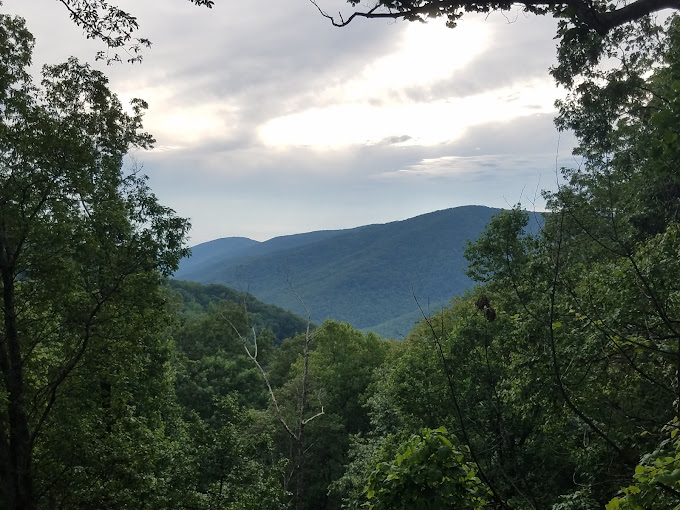
Founded in 1985 by a group of friends based in Tennessee, the Barkley Marathons has grown from a small challenge to an event shrouded in mystery and intrigue.
The brainchild of Gary ‘Lazarus Lake’ Cantrell, the challenge covers five twenty-mile loops through Frozen Head State Park in Tennessee, covering approximately 7,600–8,200 metres of elevation. Changing yearly, previous participants have described the route as extremely challenging, with exposed briar patches, steep terrain, and uncomfortable underfoot conditions.

The course is unmarked, and participants rely on their own navigation skills to navigate it. In addition, racers must also locate hidden books and rip out pages aligning with their bib number to return as proof they have completed the full route. They are disqualified if they return to the infamous yellow gate without the pages, whether due to being unable to locate them or losing them.
With only 60 hours to complete the course, only 20 people have completed it a combined 26 times. Notable completions include the first Mark Williams (1995), the fastest Brett Maune in 52:03:08 (2012), the most completions, four by Jared Campbell (2012, 2014, 2016, 2024), and the first female finisher, Jasmin Paris (2024).
The Early Days
The challenge was initially created following a prison break from nearby Brushy Mountain State Penitentiary by James Earl Ray, who was convicted for the assassination of Martin Luther King Jr. in 1977.
Having escaped into Frozen Head State Park, Ray only managed to cover 8 miles (13km) in 54 miles, much to the mockery of local runner Gary Cantrell, who posed he could have done 100 miles in the same time frame. The race was then set up in 1986 by Cantrell and his friends, with the original race sitting at around 50 miles. The race was named after Cantrell’s longtime neighbour and running companion, Barry Barkley, who died in 2019 at 70.
In 1988, Ed Furtaw became the first to complete this route (donned ‘the short one’) in 32 hours and 14 seconds. Thus, the race was elongated in 1989 to its now-standard route of 20-mile loops covering approximately 100 miles.

The Current Challenge
The race has changed throughout the years, and the full course is still a mystery to anyone who hasn’t run it or is unaware of the area. The route does contain many noted landmarks, such as Checkmate Hill, Meatgrinder, Rat Jaw, and Testicle Spectacle.
Only 40 runners make the cut every year after a rigorous registration period, including a form that includes seemingly irrelevant questions like What is the most important vegetable group? Prospective racers must also write an essay on why they should be allowed to race, sent to Cantrell via an email address that can only be shared by previous participants.
If accepted, an entrant receives a “letter of condolence” from Cantrell’s pseudonym, Lazarus Lake, warning them that they have a “very bad thing waiting.” At least one entrant every year is picked as a human sacrifice, which Cantrell believes has no chance of finishing.

Participants arrive at the park within 24 hours of the race, starting with a conch shell being sounded an hour before the race begins. Every year, at least one person sleeps through the conch and misses the race. Racers then eagerly line up by the infamous yellow gate and wait for the starting signal—Cantrell lighting a cigarette, and the race begins.
With the rise of elite ultramarathon runners entering the race, many bring crews who line up by the gate. However, they are only allowed aid in this area and cannot receive help while out on the course, but in this short time-out period before they re-touch the gate and venture back out into the wilderness. While on the course, crew members and spectators only have one outlook post where racers can access water and nothing more.
Until recently, only men had completed the route with Lazarus famously saying on camera in 2015 that the course was simply impossible for a woman to complete. That was until 2024, when, after two previous attempts, Jasmin Paris became the first woman to complete the route with just 99 seconds to spare.

Who is Lazarus Lake?
Gary Cantrell himself is as mysterious as the course he created, with many believing the man to be a sick monster, creating an impossible course to watch people suffer; however, just a little research shows that the real reason is almost the complete opposite.
“If you’re going to face a real challenge it has to be a real challenge. You can’t accomplish anything without the possibility of failure.” He said in the documentary The Barkley Marathons: The Race That Eats It’s Young.
Cantrell is inspired and enamoured by real spectacle. He enjoys watching people strive and push for something, even when all the odds are stacked against them. Now 70 years old, he often says that his main enjoyment of creating deemed impossible races is to see the participants discover their potential and find success when they push themselves to the absolute limit.
Cantrell has also created the Big Dog Backyard Ultra, where participants run a 4.167-mile (6.7km) loop on the hour for as many hours as possible around Bell Buckle in rural Tennessee.

What is the obsession about?
So why are we so obsessed with this race? Like Cantrell, many of us in the ultrarunning sphere are fascinated by the human spirit and tackling what is almost impossible.
However what makes the Barkley Marathons so interesting, even 38 years after its first edition is the mysterious and frankly bizarre factors that surround the race. Many races nowadays are large scale events with thousands of participants and a relativley low DNF rate. Races like the UTMB encourage spectators to line the route around Mont-Blanc and cheer on the racers with many races adopting livestreams to show the racers compete for podium places.
However, the Barkleys are still shrouded in mystery. The only way spectators know when the race has begun is from one man on X (formally Twitter), who gives basic and sometimes cryptic updates on the participants. Since 2009, Keith Dunn is the only man trusted by Cantrell to update the rest of the world on the happenings in the Frozen Head State Park, with photographers given strict rules on when they are allowed to release photos and of whom.
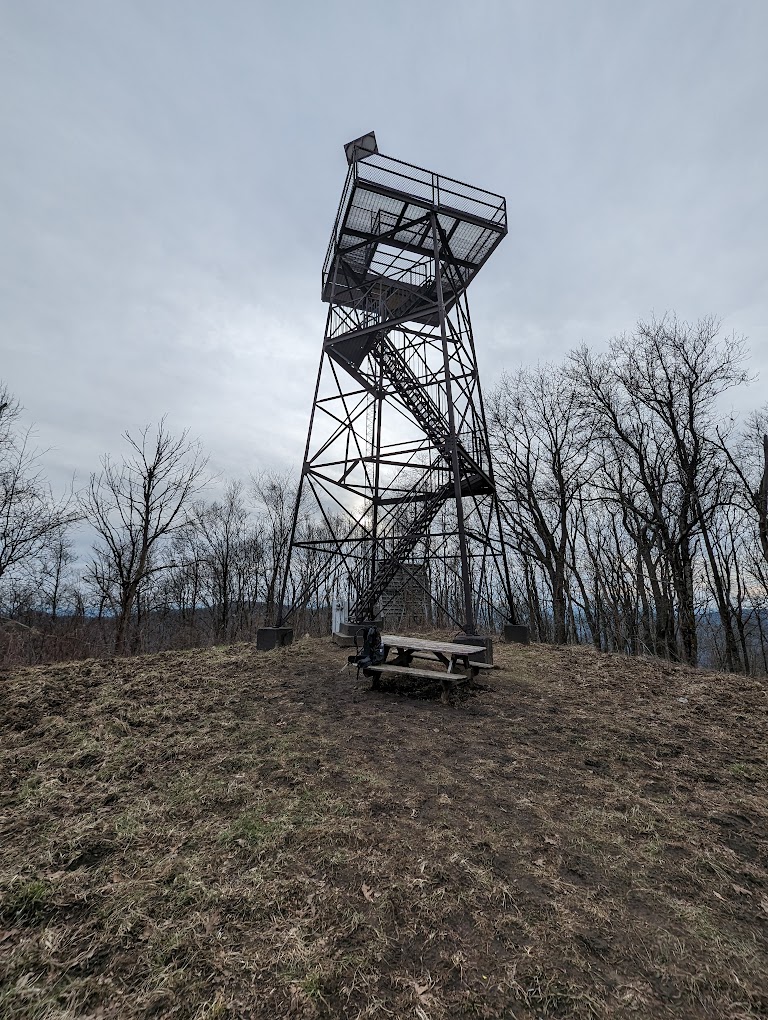
In the past, Keith has given nicknames to racers, some of the most famous being ‘small European woman’ (Jasmin Paris), ‘Guy with Mohawk’ and ‘nondescript guy’ (Jared Campbell). Online spectators will not know who is racing unless they begin the third loop, with many online speculations happening based on Keith’s cryptic posts.
Nowadays, runners are heavily reliant on technology, however with the rise of watches and auto-navigation, Cantrell ruled that no watches were to be worn for that purpose, with watches to be set to ‘Barkley time’ so racers can only know what time it is and how long they have been running for. Other tools that can be used include a compass and map.
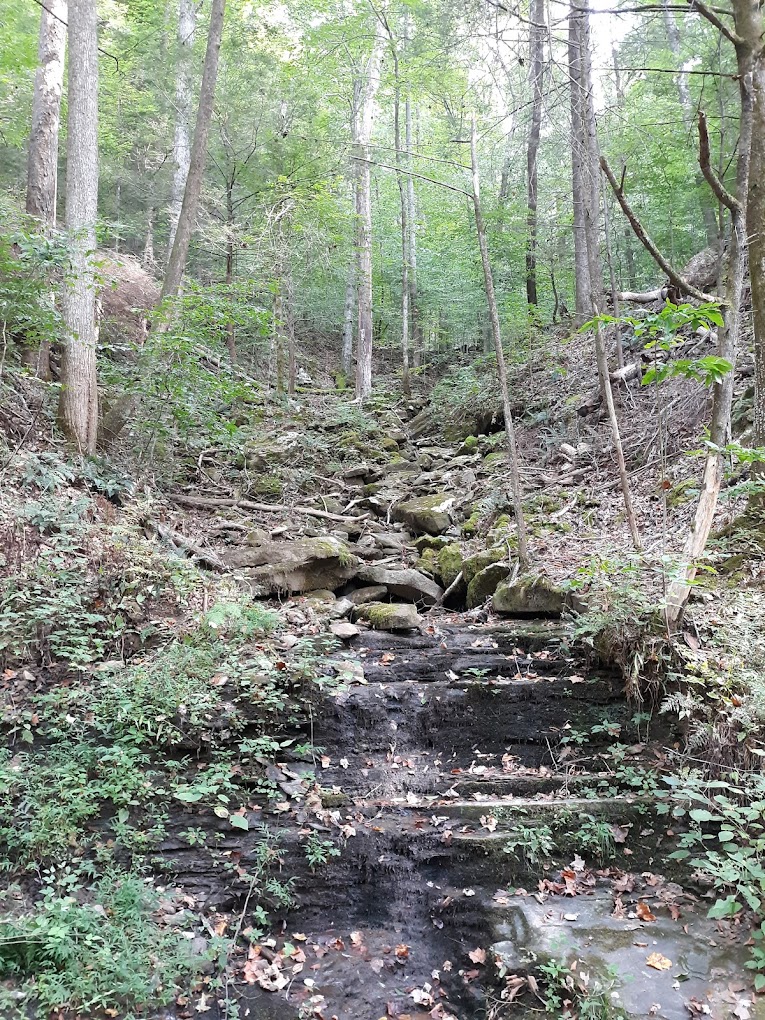
Cantrell strives for runners to reach their full potential; therefore encourages runners to be as self-sufficient as possible. To complete this route, with it’s ruthless elevation changes, challenging terrain and minimal sleep and food access points, runners need to be adept at not only running but navigation, climbing, and time-keeping.
It’s prowess is truly enamoured by it’s completion list, as previously mentioned only 20 people have completed the course in nearly 40 years. Many elite athletes who have smashed course records and rewritten the rule books in the ultrarunning world have returned from the Barkley Marathons and cited the impossibility of the task.
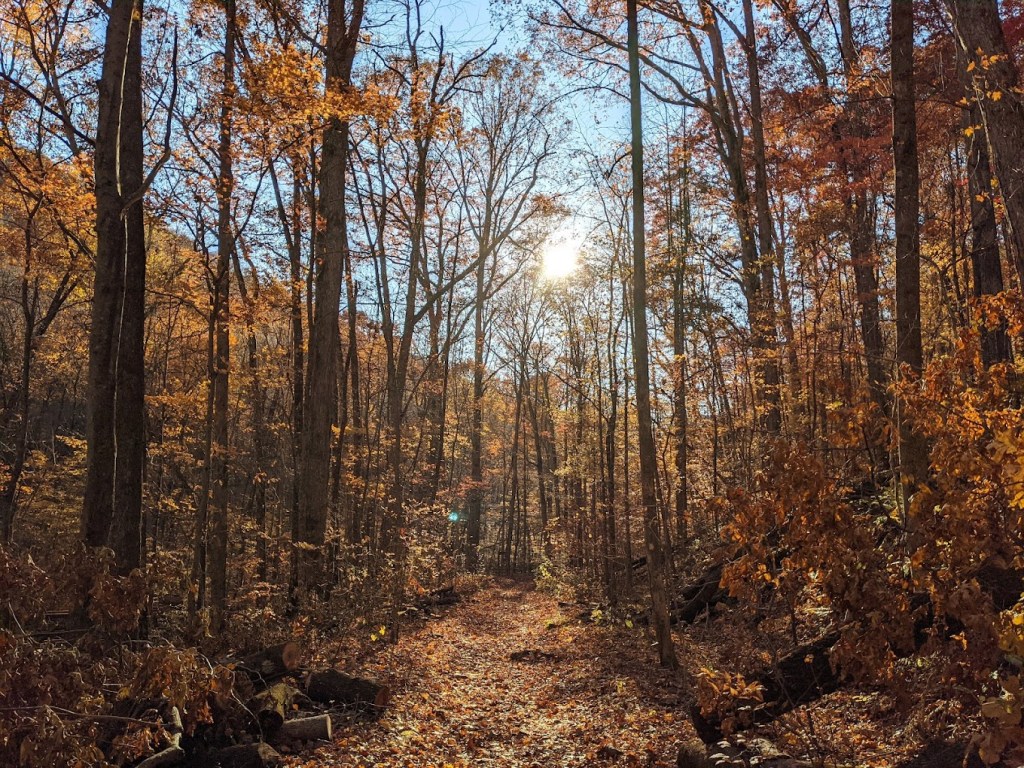
In 2022 Jim Walmsley famously moved to France in order to train in the Alps to prepare for the UTMB, which he went on to win in 2023. However this is almost inconceivable for the Barkleys, especially when the route changes year on year. Therefore, the race in itself is an enigma, ever changing and growing to challenge participants.
Complete the Barkley Marathons is deemed by many racers as the ultimate achievement, as it strips away the safety net that you can conceive at other organised events. In the Tennessee mountains, there are no medics or marshalls to point you in the right direction, you are completely self reliant on your own abilities and whether you have what it takes.
 EverUltra
Leave a comment